

How to make money trading Pokemon cards (2026)
How to make money trading Pokemon cards: Plenty of people own Pokémon cards. Far fewer treat them like something that can reliably produce extra money.
The difference is rarely secret knowledge or a sixth sense for the next Charizard. It is usually simpler than that: buying with a clear exit in mind, paying attention to condition and real demand, and – more than most people admit – being early when product shows up at a good price.
Trading cards for profit is possible. It is also easy to end up with a shelf full of things you cannot move for what you paid. The people who do better tend to keep the process straightforward, track what actually works for them, and stop leaving availability to chance.
What Actually Moves the Price
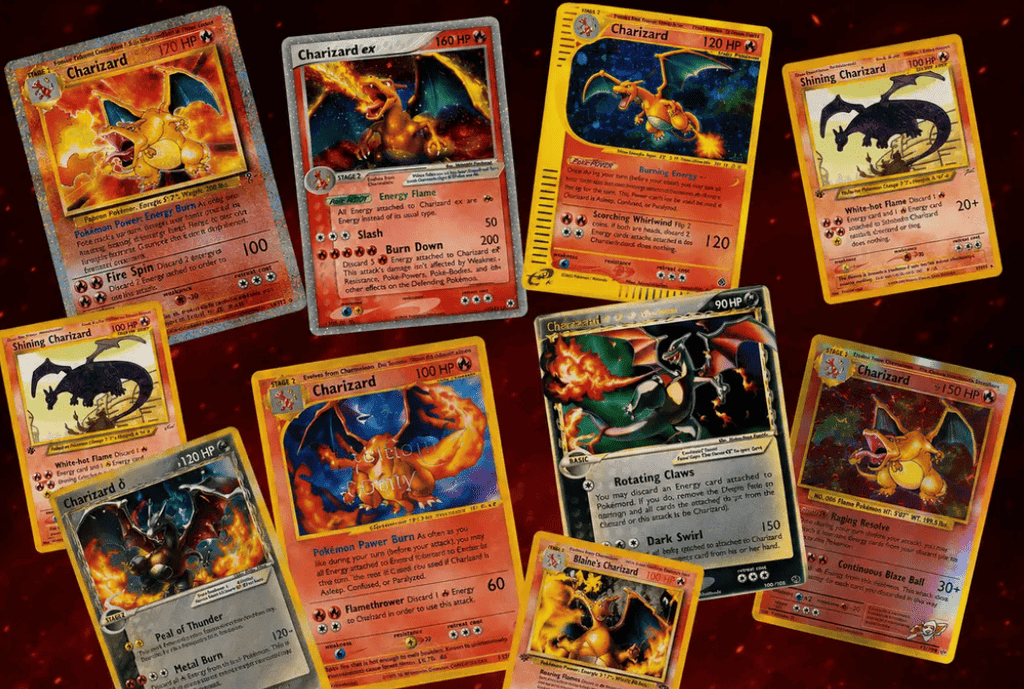
Not every rare card is valuable, and not every valuable card looks rare at first glance. Price usually comes down to a mix of these factors:
- Condition — Light edge wear, a scratch, or off-center printing can cut the price compared with a cleaner copy. Buyers (especially those thinking about grading) pay for cards that look clean under normal light.
- Demand — Recognizable Pokémon, strong artwork, and how many people are actively looking right now. Charizard still leads, but Pikachu, Eevee lines, and certain legendaries have steady buyers too.
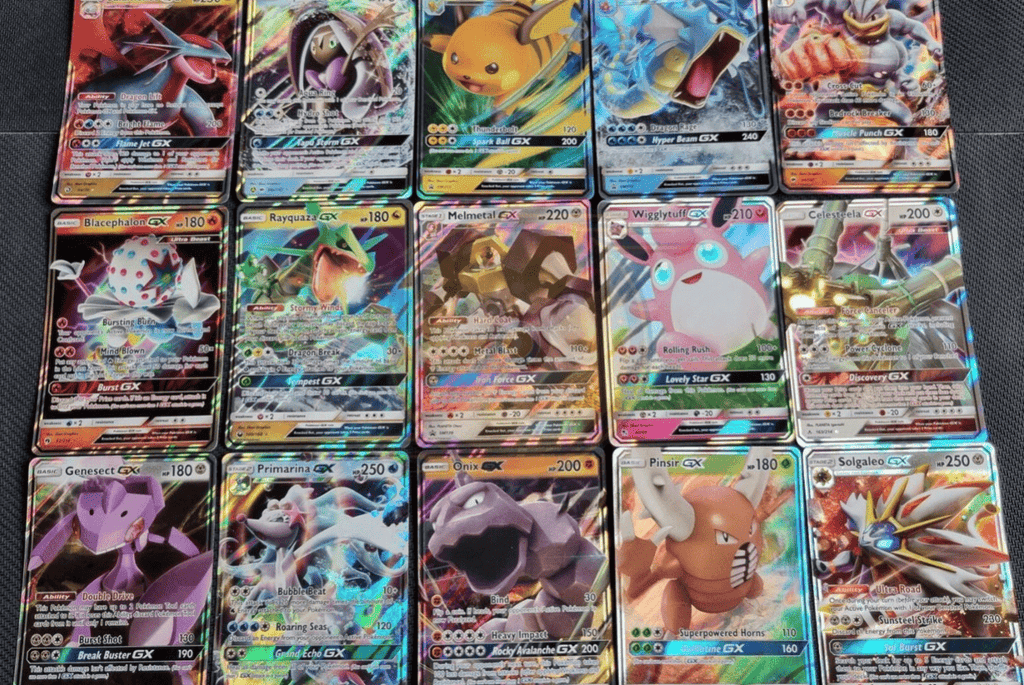
- Scarcity and print run — Some chase cards from newer sets still move well because of the art or the Pokémon. Some older cards stay quieter simply because fewer people are hunting them.
- Hype cycles — A card or product can jump because of a content creator, a new game or movie, or a smaller-than-expected restock. Buying when something is everywhere on social media often means buying after the easiest money has already been made.
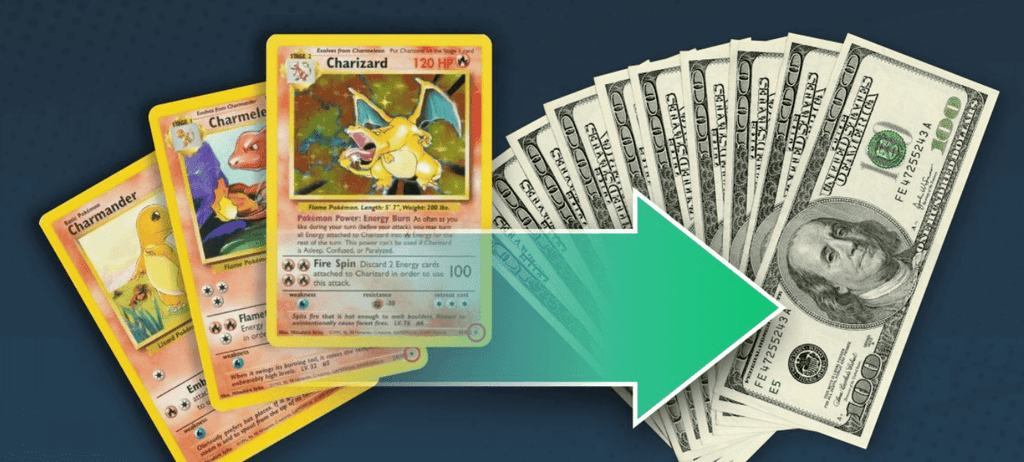
Graded cards add another layer. A popular card in a high grade (especially PSA 10 or equivalent) can sell for multiples of its raw price. Grading only tends to pay off when the card already has strong demand in high grades and you believe it has a realistic chance of grading well. Sending average cards just to see what happens is usually a way to spend money rather than make it.
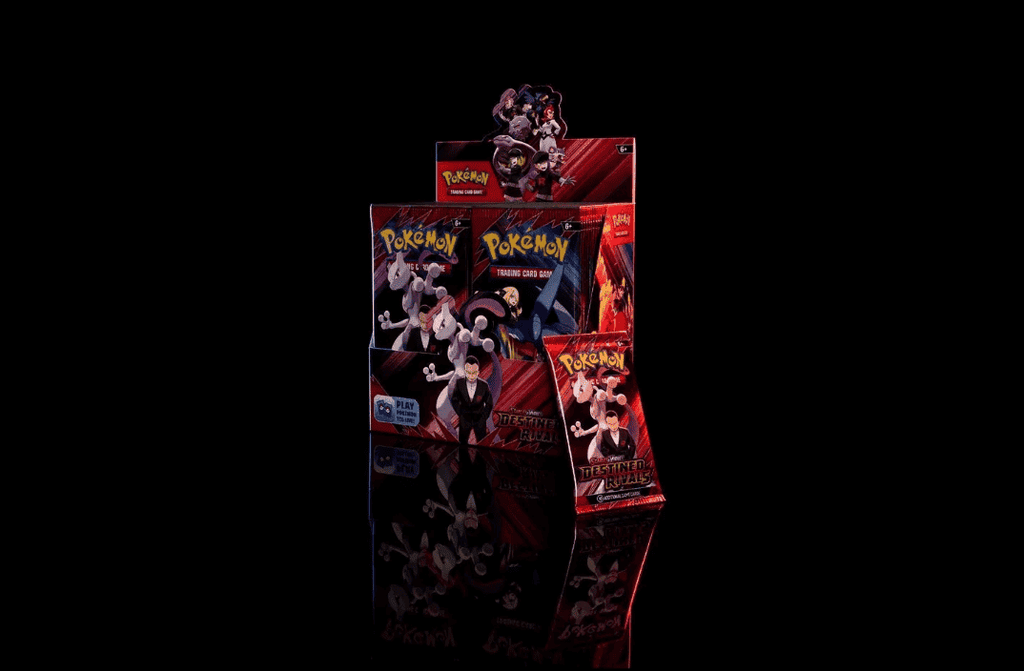
Sealed product (booster boxes, elite trainer boxes, special collections) often behaves differently from singles. Buyers understand it more easily, so it can move quickly when demand is high. It is also more sensitive to whether you caught it at or near retail. Once it is only available on the secondary market, the margin shrinks or disappears.
Practical Ways to Buy and Sell
Most profitable activity falls into a few patterns:
- Flipping — Buy something and sell it relatively soon for more than you paid after fees and shipping. Works best with cards or sealed product that already have visible, steady demand.
- Selective holding — Some older or limited items increase over longer periods. This ties up money and requires storage that protects condition.
- A mix of both — Many traders use flips for cash flow and hold a smaller number of items they believe will stay in demand.
Where you buy affects your cost basis just as much as what you buy:
- Retail restocks at big-box stores and the Pokémon Center still happen at prices that leave room when demand is strong. Those windows are often short.
- Online marketplaces offer liquidity for both buying and selling, but fees add up and you are competing with other people looking for the same underpriced listings.
- Local stores, card shows, and private sales can produce deals (especially on bulk or cards the seller wants to move quickly), though they are harder to scale.
A few filters help no matter the channel:
- Buy with an idea of how you will exit.
- Check recent completed sales rather than list prices.
- Account for fees, shipping, and the chance the item sits longer than you hoped.
- Keep simple records of what you paid, what you sold for, and how long it took. Over time those records show which types of cards or product actually leave money.

Why Timing Decides Who Makes Money
Popular product can sell out in minutes, and prices often adjust as soon as the easy stock is gone. The people who consistently buy at better prices are not always better at judging cards. Many of them are simply earlier.
Manually refreshing retailer sites, checking local stock, and watching social channels takes time and still fails when you are busy, asleep, or looking at the wrong place. Even diligent checkers miss drops. The real cost is not only the time spent—it is the profitable buys that never happen because the information arrived too late (or never arrived at all).
Missing a restock at retail often means later paying secondary prices for the same product, or simply never participating in that opportunity. Over months those missed windows add up.
This is the practical problem most traders run into once they move past casual buying. Knowledge of values and condition gets you part of the way. Without timely information about availability, you are often reacting after the better prices have already disappeared.
How PokeNotify Changes the Odds
PokeNotify is a mobile app built for exactly this problem. It monitors more than 100 retailers and sends push notifications the moment stock drops, a queue opens, or a deal appears—online or through community-reported in-store finds near you.
You can filter by product type, retailer, and other criteria so you mainly hear about the booster boxes, sets, or specific items that fit how you trade. It also includes market context that helps you decide whether an alert is worth acting on.
What changes in practice:
- Your phone tells you when something you care about is available instead of you refreshing pages or hoping you see a post in time.
- Retail buying becomes more repeatable instead of an occasional lucky catch.
- In-store opportunities come with community reports and location details, cutting down on guesswork and scattered social media posts.
- Custom filters keep the notifications focused so you are not buried in alerts for items you do not trade.
Traders who use it consistently describe the same shift: fewer “I just missed it” moments and more chances to buy at prices that still leave room after fees.
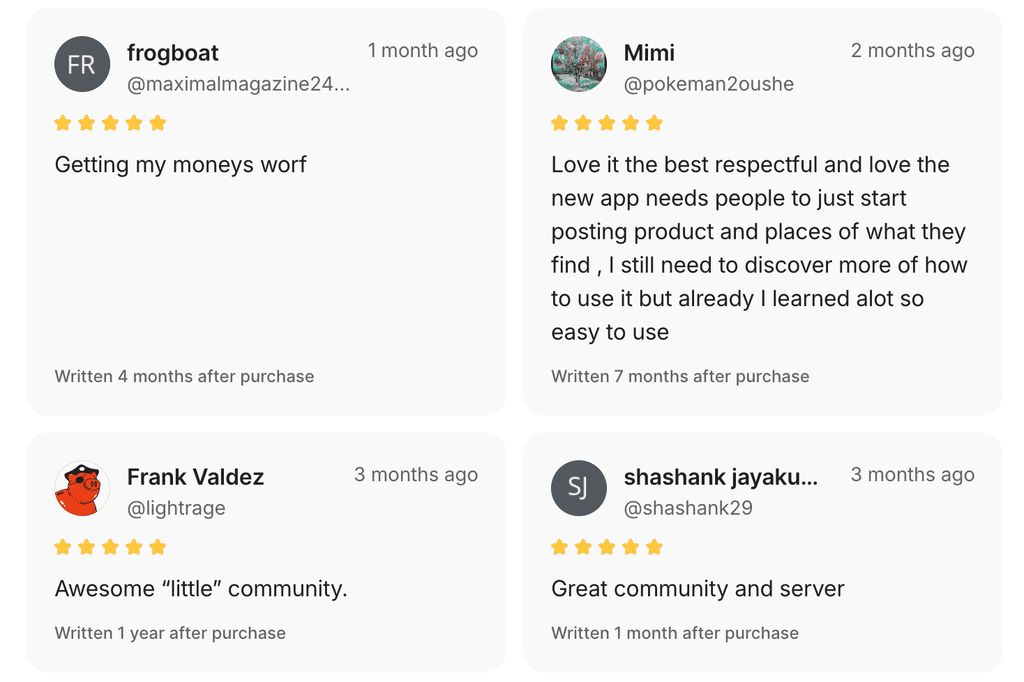
The app is used by a large community (tens of thousands of collectors and traders) and carries strong ratings. Full access runs about $7.99 a month, less than the cost of missing one decent retail opportunity on popular product. You can start free to see the community side and upgrade for the complete alert system.
Serious traders tend to treat timely information as part of the process rather than an optional extra. Once you have watched high-demand items sell through while you were in a meeting or on a commute, the value becomes obvious. PokeNotify is the tool that makes “being early” reliable instead of occasional.
It does not replace knowing what cards are worth or how to evaluate condition. It removes the discovery bottleneck so the knowledge you already have (or are building) can be applied while the better prices still exist.
Over time that compounds – more looks at retail and early availability mean more chances to buy with margin intact, whether you flip quickly or hold selectively.
Keeping It Sustainable
A few habits keep results cleaner as you do more of this:
- Focus on a manageable number of cards or product types you understand instead of trying to chase everything.
- Reinvest in the kinds of buys that have already worked for you rather than expanding just because an alert fired.
- Protect condition while you hold anything.
- Keep records clear enough that you can see what is actually profitable after all costs—and handle any tax reporting accurately. Rules vary by location and by whether the activity is treated as a hobby or a business.
The market remains active across singles, sealed product, and graded cards. New releases and ongoing interest continue to create openings. The traders who capture more of those openings are usually the ones who combined reasonable knowledge with a reliable way to learn about availability before everyone else.
Frequently Asked Questions
Can you make consistent money trading Pokémon cards?
Yes, if “consistent” means a repeatable process rather than a fixed monthly amount. People who buy with a clear exit, account for costs, focus on real demand, and get timely information about availability tend to do better over time than those who buy mainly on hype.
How much money do you need to start?
A few hundred dollars is enough to begin with singles or smaller sealed items if you keep positions modest. Larger strategies require more capital. Knowledge and process usually matter more than the exact starting amount.
Is flipping better than holding?
Both can work. Flipping recycles money faster and gives quicker feedback. Holds can produce larger gains on the right items but tie up capital. Many traders use flips for cash flow and selective holds for things with durable demand.
Do I need to grade cards?
No. Plenty of profitable trading happens with raw cards and sealed product. Grading can raise the price of cards that come back high and already have strong demand in those grades, but it is not required.
Why do real-time alerts matter so much?
Popular product often sells out quickly. Knowing the moment it becomes available gives you a realistic chance at retail pricing instead of paying secondary prices later. Across many opportunities that difference is significant.


